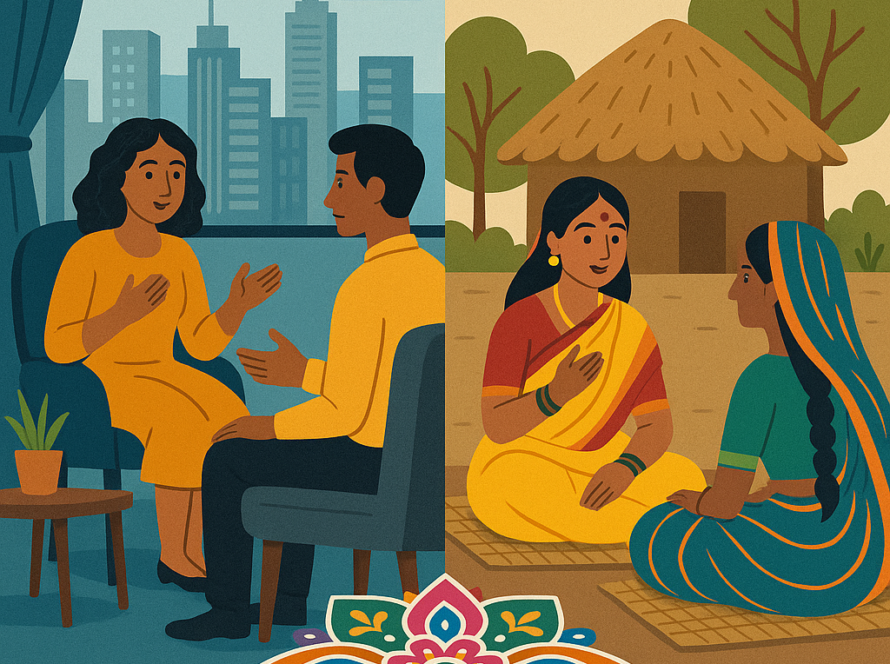
Our first relationships — usually with caregivers — become the blueprint for how we give and receive love. When those early connections were marked by neglect, criticism, abuse, or inconsistency, they can wire us for survival rather than connection. This is the unseen root of many adult relationship struggles. Trauma doesn’t just live in memory; it lives in how we attach, communicate, and trust. The good news is that our relational patterns can be unlearned — healing is possible.
Then Why do I keep attracting emotionally unavailable partners?
Answer: Because they feel familiar. If you learned to chase love, earn affection, or fear abandonment in childhood, you’re wired to seek the same dynamic in adulthood — until you consciously break the cycle.
Ways Trauma Affects Adult Relationships:
• Fear of Intimacy: Keeping partners at arm’s length to avoid vulnerability.
• People-Pleasing: Over-giving to feel worthy or avoid rejection.
• Attachment Anxiety: Constant fear of being left or not being good enough.
• Avoidant Behaviors: Shutting down, withdrawing, or feeling suffocated by closeness.
How to Heal:
1. Recognize Patterns: Reflect on recurring themes — do you fear conflict, feel unseen, or repeat the same hurt?
2. Inner Child Work: Reconnect with the younger you who learned these patterns. Validate their pain and rewrite the narrative.
3. Secure Attachment Building: Practice consistency, transparency, and emotional attunement — with yourself and others.
4. Somatic Practices: Trauma lives in the body. Try grounding, movement, or breathwork to release stuck emotional energy.
5. Seek Therapy: Healing in relationship (with a therapist) helps you unlearn fear-based responses and build relational safety.
Healing relational trauma isn’t about blaming your past — it’s about breaking free from it. When you choose growth, you create space for love that feels safe, reciprocal, and real.